Research directions
Lichen bodies, while looking like a single organism, consist of multiple unrelated lineages of microbes: fungi, unicellular algae, and bacteria. In isolation, these can be considered microorganisms. Within a lichen, however, the symbionts coordinate their growth, leading to a consistent body plan with multiple tissue-like layers and conserved structures. The mechanisms behind these microbe-microbe interactions remain largely unknown. Our research focuses on the functional and taxonomic diversity of lichen symbionts and the give-and-take of symbionts into the common outcome. We are interested in several topics:
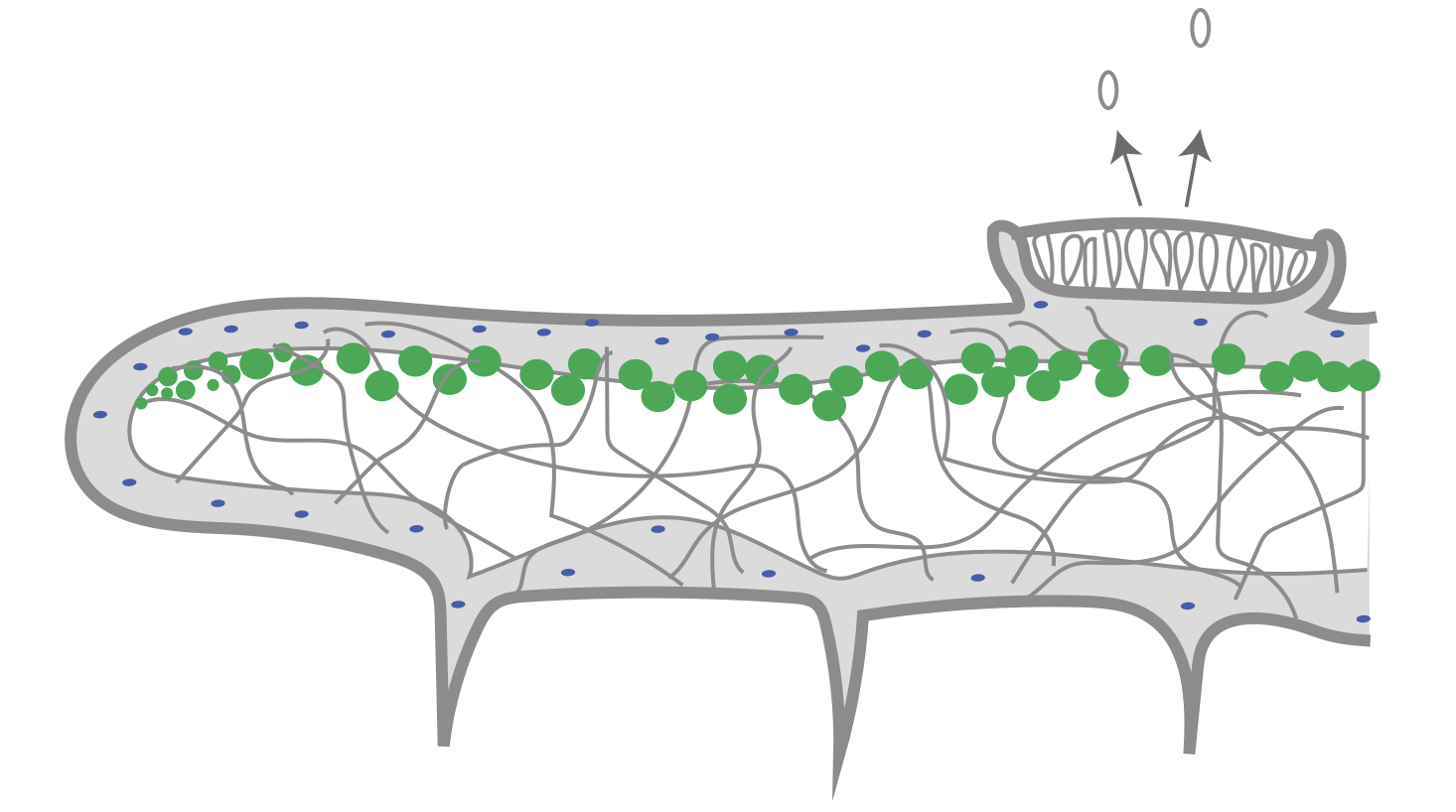
Molecular mechanisms of lichen growth and development
Lichen bodies consist of multiple organisms that grow together. How do symbionts recognize each other when the symbiosis is established? How do they interact as the symbiosis grows and develops? What mechanisms allow them to create multicellular structures?
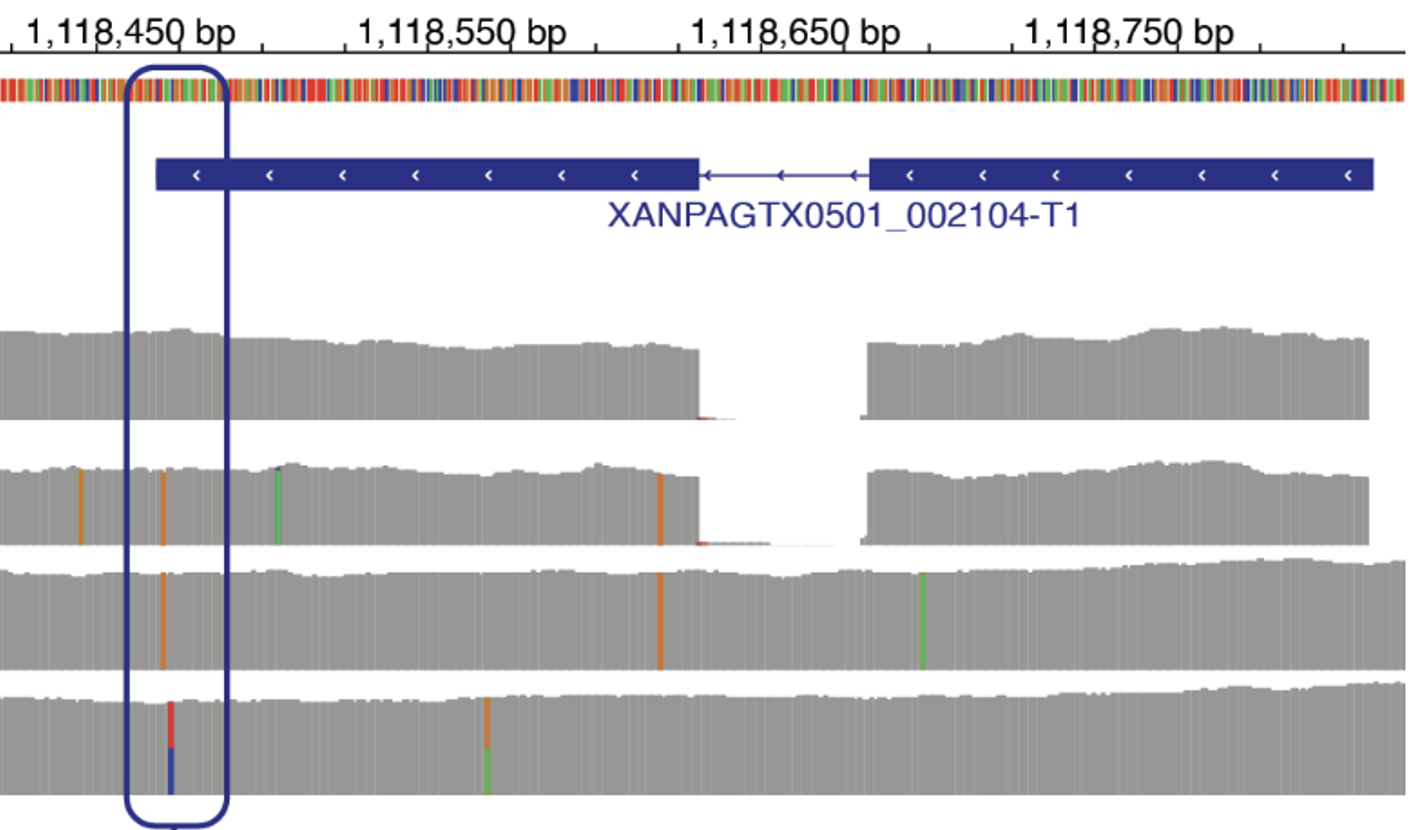
Genetic structure of a lichen body
Lichens grow notoriously slowly and are prone to long periods of inactivity. Individual lichen thalli can grow for decades, centuries, and potentially even millennia. How do mutations accumulate in an organism like that?
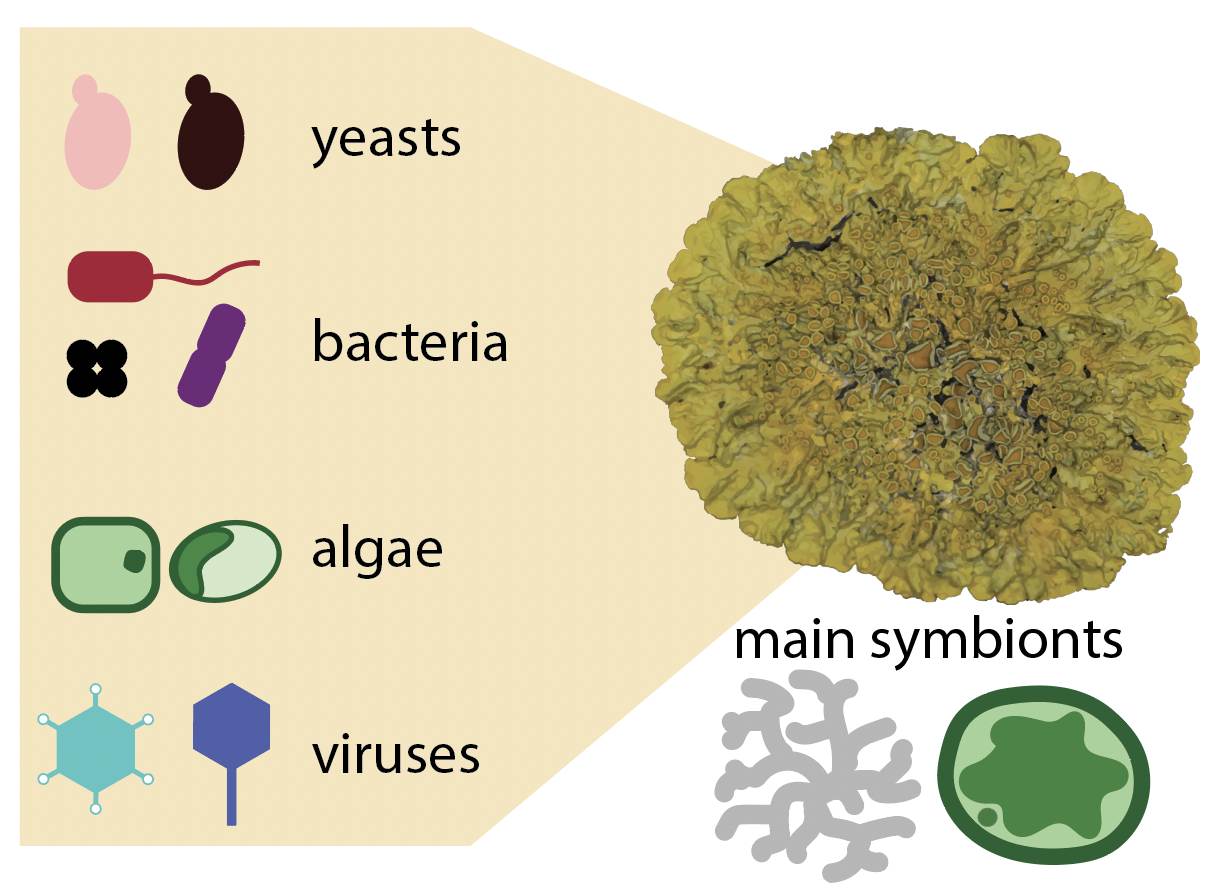
Diversity and functions of lichen symbionts
In addition to the two dominant symbionts, lichen thalli contain a plethora of other organisms, chiefly bacteria and yeasts. What are these organisms and how do they relate to the two dominant symbionts and the symbiosis as a whole?
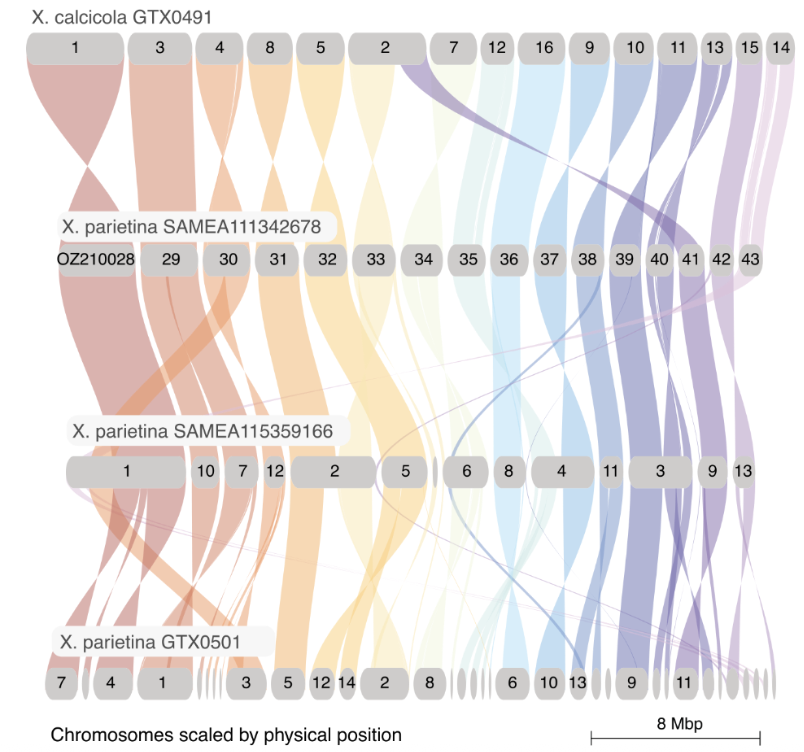
Genomics of lichen symbionts
What can the genomes of lichen symbionts tell us about their evolution? Paired with other ‘omics’, genomic data can tell us a lot about the biology of lichens.
-